Introduction:
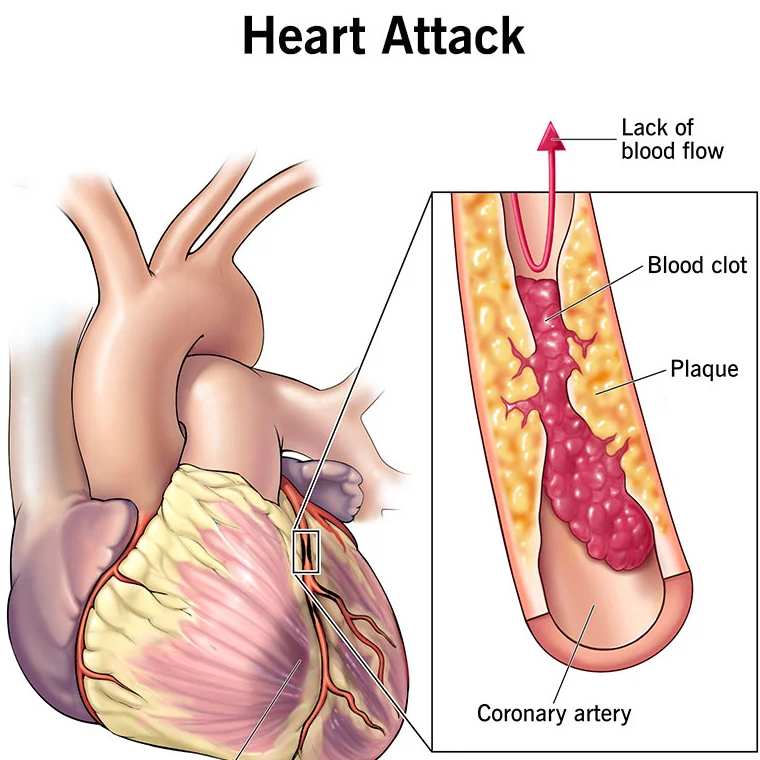
Heart attacks, also known as myocardial infarctions, are a leading cause of death worldwide. They occur when blood flow to the heart muscle is blocked, resulting in the death of the affected tissue. While certain risk factors, such as age and family history, cannot be changed, there are numerous proactive measures individuals can take to significantly reduce the risk of experiencing a heart attack. In this article, we will explore essential tips for preventing heart attacks and promoting heart health.

1. Maintain a Healthy Lifestyle:
Adopting a healthy lifestyle is paramount in preventing heart attacks. Incorporate the following habits into your daily routine:
a) Eat a Balanced Diet: Emphasize fruits, vegetables, whole grains, lean proteins, and healthy fats while limiting sodium, trans fats, and refined sugars. A heart-healthy diet can help control weight, blood pressure, and cholesterol levels.

b) Stay Physically Active: Engage in regular exercise to strengthen the heart and improve cardiovascular health. Aim for at least 150 minutes of moderate-intensity aerobic activity or 75 minutes of vigorous activity each week. Include activities like walking, jogging, swimming, or cycling.
c) Maintain a Healthy Weight: Excess weight strains the heart and increases the risk of heart disease. Achieve and maintain a healthy weight through a combination of a balanced diet and regular exercise.

2. Manage Blood Pressure and Cholesterol Levels:
High blood pressure (hypertension) and elevated cholesterol levels are major risk factors for heart attacks. Implement the following strategies to keep them in check:
a) Monitor Blood Pressure: Regularly check your blood pressure and aim to keep it within the healthy range (below 120/80 mmHg). If you have hypertension, follow your healthcare provider’s advice regarding lifestyle modifications or medication.
b) Control Cholesterol Levels: Optimal cholesterol levels are essential for heart health. Consume a diet low in saturated and trans fats, quit smoking, exercise regularly, and, if necessary, take prescribed medications to manage cholesterol levels effectively.

3. Quit Smoking and Limit Alcohol Consumption:
Smoking damages blood vessels accelerates the formation of fatty plaques in arteries, and significantly increases the risk of heart attacks. Quitting smoking is one of the most beneficial actions you can take to improve heart health. Additionally, excessive alcohol consumption can raise blood pressure and contribute to weight gain. Limit alcohol intake to moderate levels (up to one drink per day for women and up to two drinks per day for men).

4. Manage Stress Levels:
Prolonged and uncontrolled stress can contribute to the development of heart disease. Implement stress management techniques like exercise, meditation, deep breathing exercises, hobbies, or spending time with loved ones. Engaging in activities that bring you joy and practicing relaxation techniques can reduce stress levels and promote heart health.
5. Regular Health Check-ups:
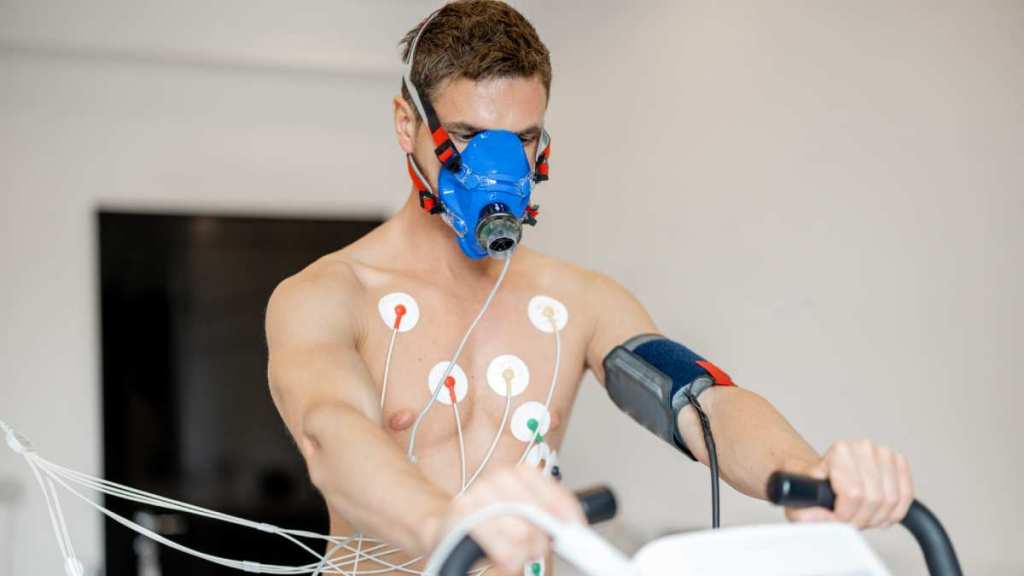
Regular medical check-ups are crucial for assessing your heart health and identifying potential risk factors. Consult your healthcare provider regularly to monitor blood pressure, cholesterol levels, and other vital indicators. Additionally, discuss any concerns or family history of heart disease with your doctor to develop a personalized prevention plan.
Conclusion:
Preventing heart attacks requires a comprehensive approach that incorporates healthy lifestyle choices, regular exercise, and effective management of risk factors such as blood pressure, cholesterol levels, and stress. By adopting these essential tips, individuals can significantly reduce their risk of experiencing a heart attack and improve overall heart health. Remember, prevention is always better than cure, so prioritize your heart health today for a healthier tomorrow.



































 Health and life style